Phobias Hypnotherapists in Berry Hill, AK
3 practitioners who work with phobias in Berry Hill.
3 practitioners found
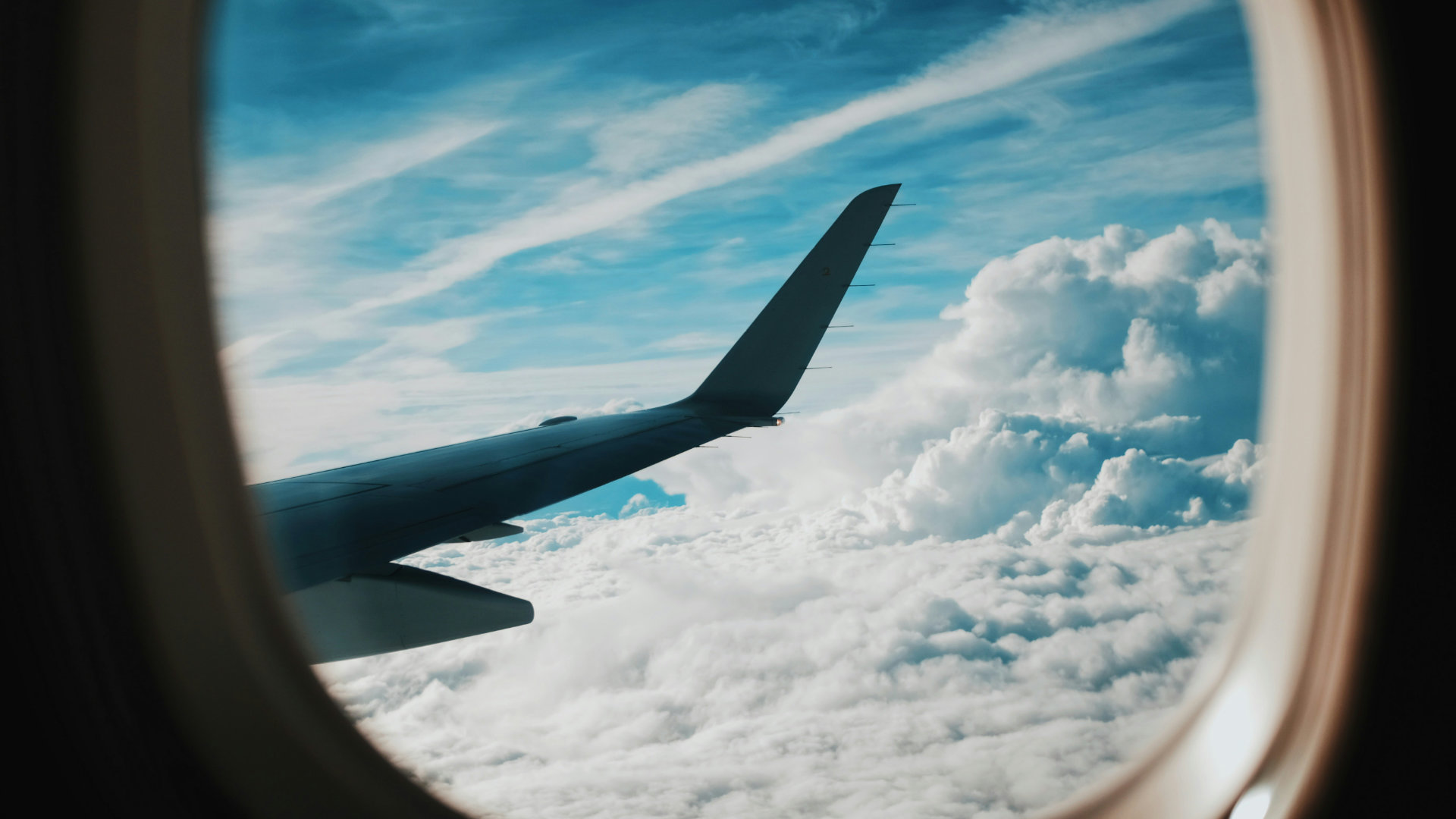
A phobia isn't just a strong dislike. It's an intense, automatic fear response that feels completely disproportionate to the actual danger. You know the spider in the corner can't hurt you. You know the airplane is statistically safer than the car you drove to the airport. But knowing that doesn't stop the racing heart, the sweating palms, or the overwhelming urge to get away.
That's because phobias don't live in the rational part of your brain. They live in the amygdala, your brain's alarm system, which learned at some point that this particular thing is dangerous and needs to be avoided at all costs.
How phobias form
Most phobias start with a sensitizing event, sometimes a direct frightening experience, sometimes something you witnessed, and sometimes something so subtle you don't even remember it. Your brain tagged that experience as threatening and built an automatic response around it.
The avoidance that follows is what makes phobias stick. Every time you avoid the feared thing, your brain gets confirmation that it was right to be afraid. The neural pathway gets stronger, and the phobia deepens. This is why "just facing your fear" without proper support often backfires and makes things worse.
How hypnotherapy works with phobias
Hypnotherapy is particularly well-suited for phobias because it works at the same subconscious level where the fear response lives. During a session, your practitioner helps you:
- Trace the origin. Understanding when and how the phobia started can be helpful, though it's not always necessary for treatment. Sometimes identifying the original event takes the mystery and power out of the fear.
- Rewrite the response. While deeply relaxed, you'll work through guided visualizations where you encounter the feared trigger and respond calmly. This gradually teaches your amygdala that the threat isn't real.
- Build confidence. As the automatic fear response weakens, your practitioner helps build a new association, one of calm control rather than panic, around the previously feared situation.
- Practice in your mind first. Mental rehearsal is powerful. Imagining yourself flying, visiting the dentist, or handling a spider calmly while in a hypnotic state creates new neural pathways that carry over into real life.
What the research shows
Phobias are one of the better-studied applications of hypnotherapy. Research published in the American Journal of Clinical Hypnosis found that hypnotherapy combined with systematic desensitization produced significant reductions in phobic anxiety. Other studies have shown that hypnotherapy can work faster than traditional exposure therapy for some specific phobias.
The advantage of hypnotherapy over pure exposure therapy is comfort. Traditional exposure requires you to experience significant anxiety as part of the treatment. Hypnotherapy achieves a similar rewiring effect while keeping you in a relaxed state, which makes it easier to stick with the process.
Common phobias treated with hypnotherapy
Hypnotherapy is used for virtually all specific phobias, including fear of flying, needles, spiders and insects, heights, enclosed spaces, dentists, public speaking, driving, water, and medical procedures. It can also help with more complex phobias like social phobia, though these may require more sessions and a more comprehensive approach.
What to expect
A phobia treatment plan typically runs 3 to 5 sessions for a straightforward specific phobia. Your first session will cover your history with the fear and what you'd like to achieve. The hypnotherapy itself begins with deep relaxation, followed by carefully paced visualization work where you gradually approach the feared trigger in your mind.
Most people notice a shift within the first couple of sessions. The fear may not disappear completely right away, but it starts to feel more manageable. By the end of treatment, many people can face their previously feared situation with minimal anxiety.
The practitioners listed below are based in or around Berry Hill, Alaska and have indicated phobias as one of their areas of focus. Some profiles are verified directly by the practitioner, while others are broader listings from public sources.